
Scoliosis
What is Scoliosis?
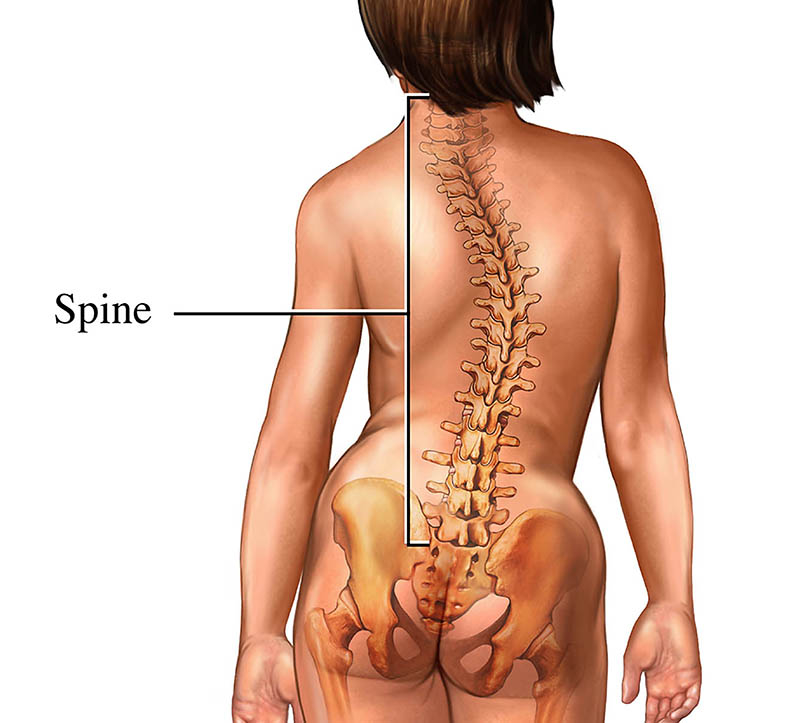
The spine is made up of a stack of rectangular-shaped building blocks called vertebrae. When viewed from behind, the spine normally appears straight. However, a spine affected by scoliosis has a sideways curve, often forming an "S" or "C" shape. In addition to curving sideways, the vertebrae also rotate, which can cause the ribs or muscles on one side of the back to stick out more than the other.
Scoliosis most often develops in adolescents during the growth spurt just before puberty, though it can also occur in adults due to spinal degeneration.
Signs and Symptoms
In many cases, mild scoliosis does not cause significant pain, but it can present visible postural changes:
- Uneven shoulders (one shoulder blade appears more prominent than the other).
- An uneven waistline or one hip that sits higher than the other.
- A noticeable curve in the spine when viewed from behind.
- Leaning to one side.
- In more severe cases, chronic back pain, muscle fatigue, and even respiratory issues can occur if the curve compresses the chest cavity.
How Can Physical Therapy and Massage Help?
While conservative therapies cannot "cure" or straighten the structural curve of the spine, they are vital for managing the symptoms and functional imbalances caused by scoliosis.
- Muscle Balancing: The lateral curvature of the spine causes muscles on one side of the back to become overstretched and weak, while muscles on the concave side become chronically tight and shortened. Remedial massage can help release the tight muscles and alleviate the associated pain and spasms.
- Strengthening: Clinical Pilates and specific exercise rehabilitation focus on strengthening the core and back muscles to better support the spine and improve posture.
- Mobility: Gentle mobilisation techniques can help maintain spinal flexibility and reduce stiffness in the rib cage.