
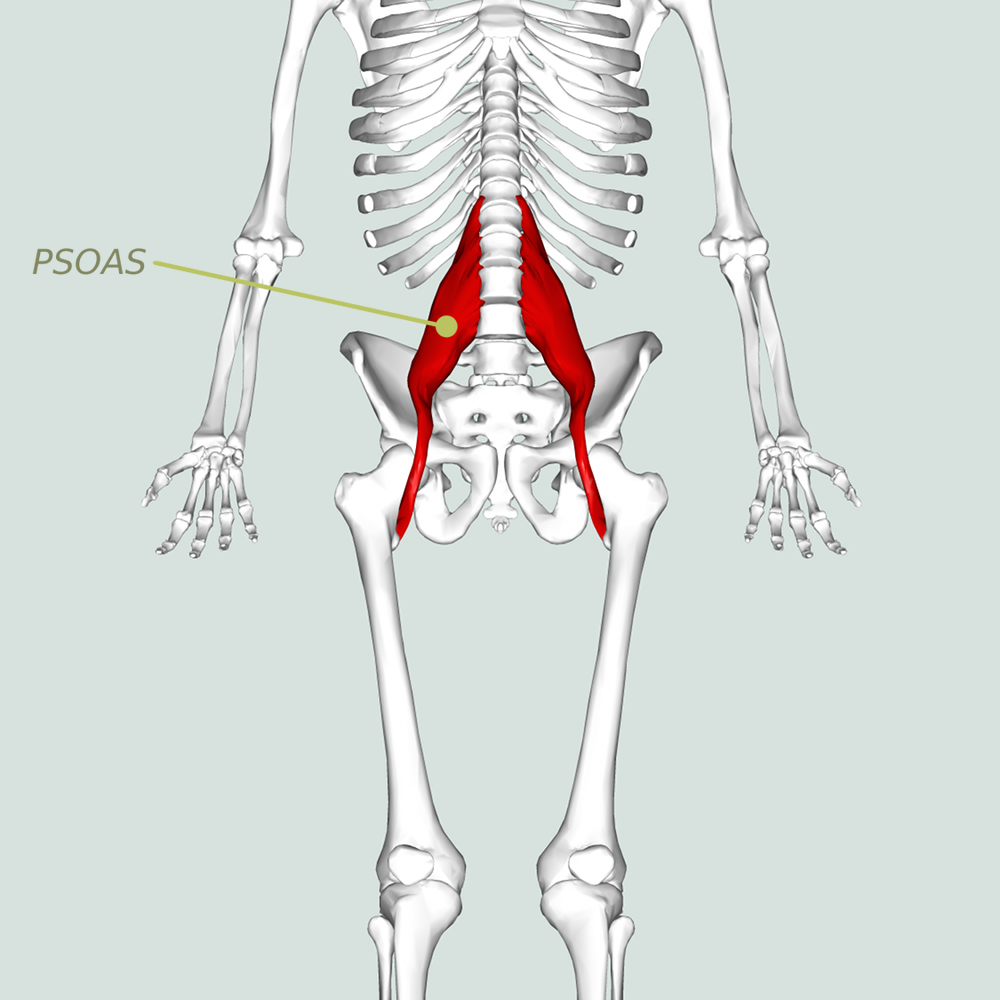
Psoas Muscle
The Psoas Muscle: Symptoms of Tightness, Injury, and How Myotherapy Can Help
The psoas muscle, often referred to as the "muscle of the soul," plays a vital role in our physical and emotional well-being. This deep-seated muscle runs from the lower spine through the pelvis, attaching to the femur. It's essential for core stability, posture, and movement, but when it becomes tight or injured, it can wreak havoc on the body.
Symptoms of Psoas Tightness or Injury
- Lower Back Pain - A tight psoas pulls on the lumbar spine, leading to discomfort or chronic lower back pain.
- Hip and Pelvic Pain - The psoas connects to the hip, and tightness can create stiffness or pain in the hips and pelvis.
- Postural Issues - A shortened psoas can tilt the pelvis forward, leading to an exaggerated lumbar curve (lordosis).
- Limited Range of Motion - Tightness in the psoas may restrict movements like bending, twisting, or extending the hips.
- Digestive Issues - The psoas lies near the abdominal organs, and its tightness can sometimes contribute to bloating or discomfort.
- Emotional Tension - The psoas is closely linked to the body's stress response. Prolonged tightness can leave you feeling anxious or "on edge."
How Myotherapy Can Help
Myotherapy focuses on the assessment, treatment, and rehabilitation of musculoskeletal conditions, making it an ideal approach for psoas-related issues. Techniques include Trigger Point Therapy, Myofascial Release, Dry Needling, tailored stretching and mobility exercises, core strengthening, postural advice, and stress management techniques.
The Long-Term Benefits of Myotherapy
- Improved posture and core stability.
- Reduced pain and tension in the lower back and hips.
- Enhanced flexibility and mobility.
- A better understanding of how to prevent future issues.
- A sense of calm and relaxation, thanks to the release of emotional tension stored in the muscle.
The psoas muscle is more than just a connector of the spine and legs-it's a key player in our physical and emotional health. Myotherapy offers an effective, holistic approach to addressing psoas-related issues, helping you regain balance, mobility, and well-being.