
Pain Psychology
Pain is often thought of as a purely physical sensation-a direct signal from damaged tissue to the brain. However, modern pain science reveals that pain is far more complex. People might experience pain differently depending on various emotional and cognitive factors (beliefs, past experiences, anxiety, and expectations). These factors can substantially shape the experience of pain, functioning as a volume dial that can either amplify or dampen the sensation.
The Biopsychosocial Model of Pain
Healthcare professionals now understand pain through the biopsychosocial model, which recognises that pain is influenced by an interaction of:
- Biological factors: Tissue damage, inflammation, genetics, and nervous system sensitivity.
- Psychological factors: Mood, stress, anxiety, beliefs about pain, and coping strategies.
- Social factors: Work environment, family support, cultural background, and socioeconomic status.
How the Mind Influences Pain
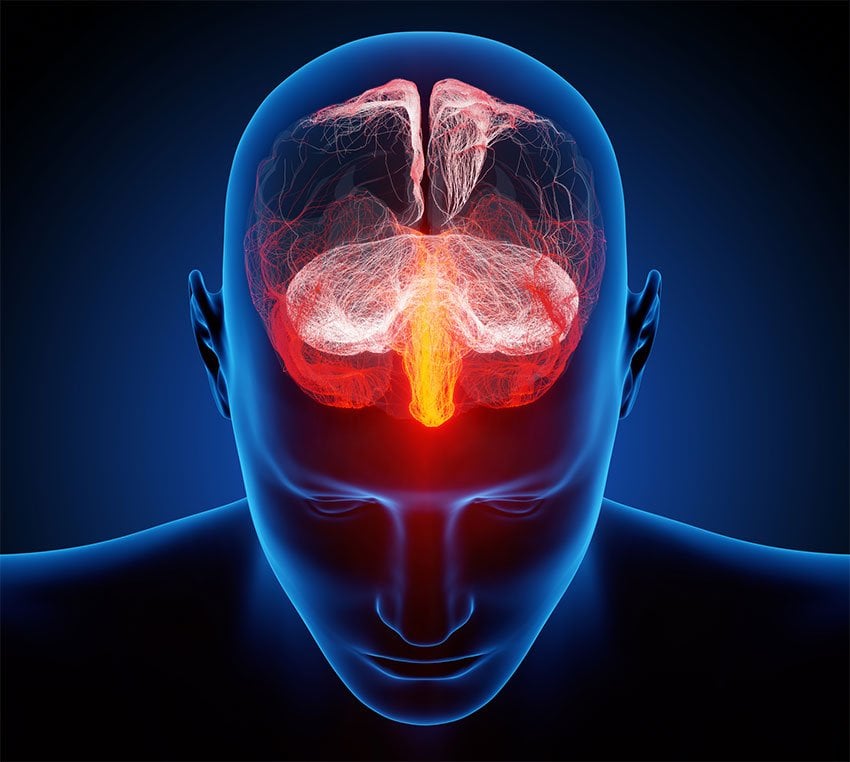
The brain acts as the central processing centre for pain. It evaluates incoming sensory signals and decides whether they represent a threat. If the brain perceives a high level of threat, it produces pain to protect you. Several psychological factors influence this threat evaluation:
- Stress and Anxiety: When you are stressed, your nervous system is in a state of high alert (fight or flight). This heightened arousal makes the nervous system more sensitive, amplifying pain signals.
- Catastrophizing: This is a cognitive distortion where a person focuses excessively on the pain, magnifies its threat value, and feels helpless to manage it. Catastrophizing is strongly linked to higher pain intensity and prolonged disability.
- Fear-Avoidance: Fear of pain or re-injury can lead people to avoid movement and activities. While resting might seem protective, prolonged inactivity leads to muscle weakness, joint stiffness, and social isolation, which ultimately worsens the pain condition.
- Past Experiences: Previous traumatic experiences or prolonged chronic pain can actually alter the nervous system (central sensitization), making it hyper-responsive to even mild stimuli.
Addressing the Psychology of Pain
Effective pain management, especially for chronic pain, must address these psychological components alongside physical treatments. Strategies include:
- Pain Education: Understanding how pain works can reduce fear and anxiety, lowering the brain's perception of threat.
- Cognitive Behavioral Therapy (CBT): Helps identify and change negative thought patterns (like catastrophizing) and develops effective coping strategies.
- Graded Exposure: Slowly and safely reintroducing feared movements to retrain the brain that movement is safe.
- Mindfulness and Relaxation: Techniques like deep breathing and meditation help calm the nervous system, reducing the amplification of pain signals.