
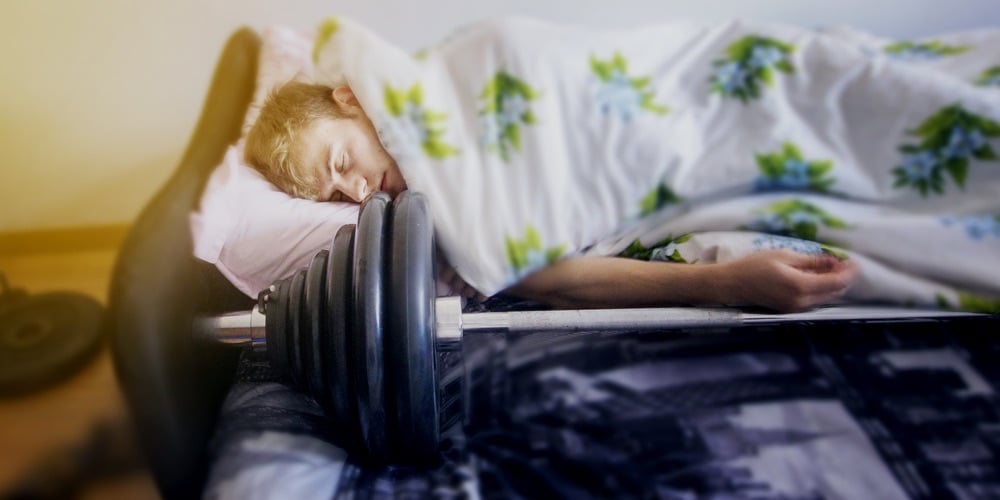
Muscle Recovery and Sleep
We all know that sleep is important, but how important is it really for our muscles' recovery? Well, the importance of sleep is so critical, in fact, that it has a more profound impact on muscle growth, repair, and performance than almost any supplement or recovery tool available.
The Science of Sleep and Recovery
When you exercise, especially during strength training or intense cardiovascular workouts, you create microscopic tears in your muscle fibers. The actual process of building stronger, more resilient muscles doesn't happen during the workout-it happens afterward, primarily while you sleep.
Here’s what happens in your body during a good night's sleep:
- Hormone Release: During the deepest stages of non-REM sleep (Slow-Wave Sleep), your pituitary gland releases Human Growth Hormone (HGH). HGH is essential for tissue repair, muscle growth, and bone strength. Without adequate deep sleep, HGH secretion drops significantly, impairing your body's ability to heal.
- Protein Synthesis: Sleep creates an optimal anabolic (muscle-building) environment. The body increases protein synthesis, the process by which amino acids are used to repair the micro-tears in muscle fibers.
- Cortisol Regulation: Cortisol is a stress hormone that, when chronically elevated, can break down muscle tissue (a catabolic state) and promote fat storage. Adequate sleep helps regulate and lower cortisol levels, protecting your hard-earned muscle.
- Glycogen Replenishment: Sleep allows your body to efficiently restore muscle glycogen (stored carbohydrates), ensuring you have the energy needed for your next workout.
The Consequences of Sleep Deprivation
Skimping on sleep can severely derail your fitness goals and increase your risk of injury:
- Reduced Muscle Growth: Less deep sleep means less HGH and impaired protein synthesis.
- Increased Injury Risk: Fatigue impairs reaction time, coordination, and biomechanics, making you more susceptible to acute injuries and overuse strains.
- Increased Pain Perception: Sleep deprivation increases the body's sensitivity to pain, making delayed onset muscle soreness (DOMS) feel much worse.
- Decreased Performance: Lack of sleep reduces endurance, strength output, and overall exercise capacity.
Tips for Better Recovery Sleep
Aim for 7-9 hours of quality sleep per night. Establish a consistent sleep schedule, optimize your bedroom environment (cool, dark, and quiet), limit screen time before bed, and consider restorative practices like light stretching or a warm bath to signal to your body that it's time to wind down and repair.