
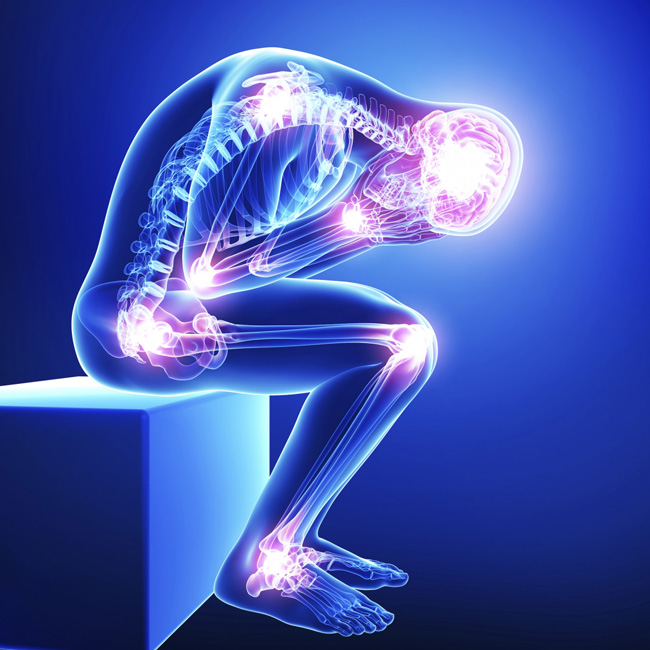
How Chronic Pain Affects Your Life and How Remedial Massage Can Help
Living with pain isn't easy. It can heavily impact many aspects of our lives, including our mental health. People living with chronic pain are at a heightened risk for mental health issues like depression, anxiety, and sleep disorders. The constant physical discomfort drains energy, limits participation in social and recreational activities, and can strain relationships and career progression.
The Vicious Cycle of Chronic Pain
Chronic pain often creates a vicious cycle. The pain leads to decreased physical activity, which causes muscle weakness and joint stiffness. This deconditioning makes movement even more difficult and painful. Concurrently, the stress and frustration of living with pain increase muscle tension and heighten the nervous system's sensitivity, amplifying the pain signals.
How Remedial Massage Can Break the Cycle
Remedial massage is a powerful tool in the multidisciplinary management of chronic pain. Here’s how it helps:
- Reducing Muscle Tension: Chronic pain often leads to guarding-where muscles tense up to protect the painful area. Remedial massage techniques, such as deep tissue and myofascial release, help relax these hypertonic muscles and deactivate trigger points.
- Improving Circulation: Massage increases blood flow to ischemic (oxygen-deprived) tissues, delivering nutrients and removing metabolic waste products that contribute to pain.
- Calming the Nervous System: Massage stimulates the parasympathetic nervous system (the "rest and digest" state), which helps lower cortisol levels, reduce anxiety, and promote a sense of well-being. This is crucial for down-regulating a hypersensitive nervous system.
- Enhancing Sleep: By reducing pain and promoting relaxation, massage can significantly improve sleep quality, which is essential for tissue repair and pain modulation.
- Restoring Mobility: By addressing soft tissue restrictions and joint stiffness, remedial massage helps restore a more normal, pain-free range of motion, encouraging patients to re-engage in healthy physical activity.