
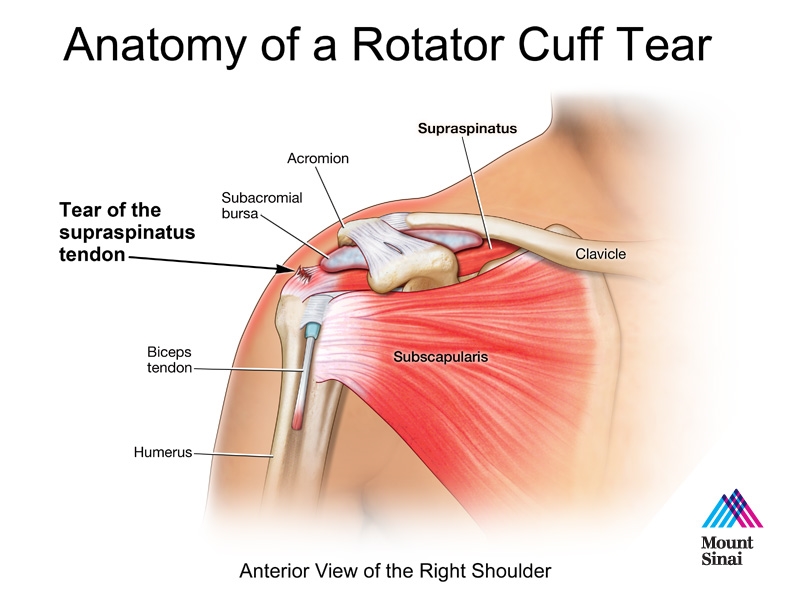
Emanuel’s Rotator Cuff Insight
Understanding Rotator Cuff Strain: Symptoms, Causes, and Treatment
A rotator cuff strain is a common injury, especially among people who engage in repetitive shoulder movements. Whether you're an athlete, a tradesperson, or simply someone who lifted something awkwardly, a strained rotator cuff can significantly impact your daily life.
What is the Rotator Cuff?
The rotator cuff is a group of four muscles and their tendons (supraspinatus, infraspinatus, teres minor, and subscapularis) that surround the shoulder joint. They work together to stabilise the shoulder and allow for a wide range of motion, particularly lifting and rotating the arm.
Common Causes of Strain
- Acute Injury: A sudden tear or strain can occur from a fall, lifting a heavy object with a jerking motion, or a direct impact to the shoulder.
- Repetitive Overuse: Activities that require repetitive overhead motions, such as tennis, swimming, painting, or carpentry, can gradually wear down the tendons.
- Degeneration: As we age, the blood supply to the rotator cuff tendons decreases, making them more susceptible to injury and slower to heal. Bone spurs can also develop, rubbing against the tendons and causing micro-tears.
Symptoms to Watch For
- A dull ache deep in the shoulder.
- Pain that worsens when lifting or lowering the arm, or with specific movements like reaching behind your back.
- Weakness in the shoulder, making it difficult to lift objects.
- Pain that disturbs your sleep, especially if you lie on the affected shoulder.
- A clicking, popping, or catching sensation when moving the shoulder.
Treatment and Rehabilitation
Recovery from a rotator cuff strain requires a comprehensive approach. Initial treatment often involves rest, ice, and avoiding aggravating activities. As healing progresses, therapy focuses on:
1. Soft Tissue Therapy: Remedial massage and myotherapy can help reduce muscle tension, improve blood flow, and address compensatory tightness in surrounding muscles (like the neck and upper back).
2. Restoring Range of Motion: Gentle, guided stretches to prevent the shoulder from becoming stiff or "frozen."
3. Strengthening: Specific exercises to strengthen the rotator cuff muscles and the muscles that stabilise the shoulder blade (scapula), ensuring the shoulder functions correctly and preventing future injury.